When the Divine Moves
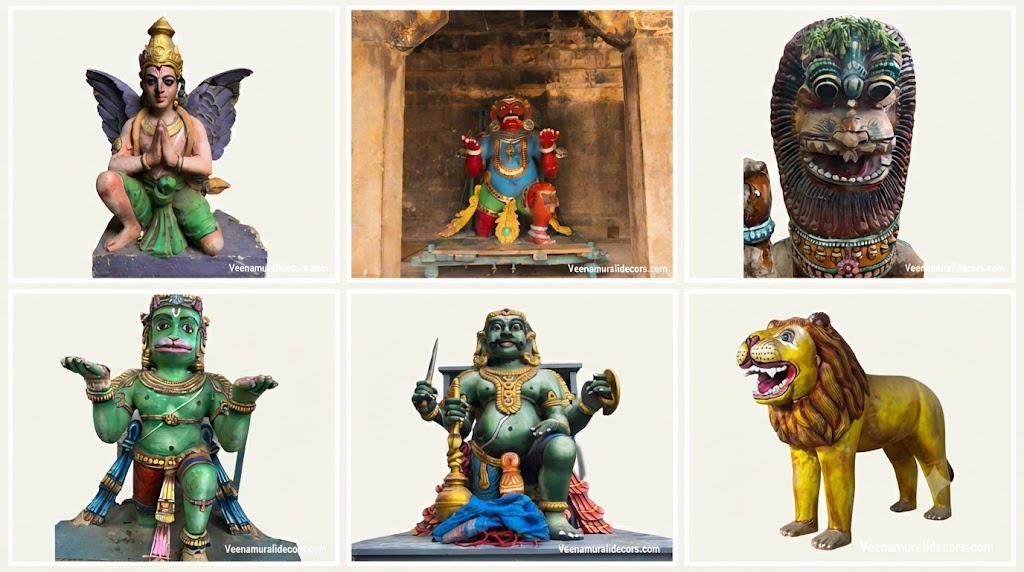
Unpacking the Power and Symbolism of Vahanas in Hindu Tradition
In the vibrant world of Hindu mythology and art, gods and goddesses are often accompanied by unique creatures a majestic eagle, a powerful bull, a graceful swan, or even a humble mouse. They are vahanas, the divine vehicles or mounts of the deities, and they are imbued with profound symbolic and narrative significance.
Far beyond serving as simple means of transport, vahanas whether animals, birds, mythical beings, or even inanimate objects are deeply intertwined with the very identity and cosmic roles of the deities they accompany. The Sanskrit term vahana itself beautifully translates as "that which carries" or "that which transports."
More Than Just a Ride: Vahanas as Embodiments of Divine Energy
Every vahana is meticulously chosen, not arbitrarily, but because it embodies the very energy and essence of the deity it accompanies. Think of it as a living extension of the god's or goddess's power and personality.
Let's look at some fascinating examples:
- Vishu and Garuḍa (the Mighty Eagle): Garuḍa is not just a bird; he is a symbol of solar power, speed, and vigilance, always ready to protect and swiftly deliver justice.
- Siva and Nandi (the Sacred Bull): Nandi embodies dharma (righteousness), patience, and immense strength. He is Siva's gatekeeper and a symbol of purity.
- Brahma and the Hamsa (Swan): The swan represents purity, spiritual discernment, and the ability to distinguish truth from illusion (like separating milk from water).
- Devi (Durga) and the Lion: The lion perfectly embodies unyielding strength, courage, and fierce protection against evil.
- Karttikeya and the Peacock: The vibrant peacock is associated with fire, beauty, grace, and spiritual awakening.
- Gaṇapathi (Gaṇesha) and the Mouse: This pairing is wonderfully paradoxical. The humble mouse signifies wisdom overcoming ego, the ability to navigate obstacles, and keen discernment.
Other intriguing associations include:
- Indra on Airavata, a celestial white elephant born from the divine ocean.
- Sani (Saturn) on a crow, representing patience and perseverance.
- Yama (God of Death) on a buffalo, symbolizing justice and the inevitable end.
- Surya (the Sun God) riding a magnificent chariot drawn by seven horses, representing the seven colors of the rainbow or the seven chakras.
Some even more esoteric forms in Tantric and Vajrayana traditions depict deities riding corpses (Preta Vahana) or wielding bone staffs (khatvangas). These seemingly stark images symbolize profound concepts: the transcendence of ego, illusion, and even death itself.
Indeed, ancient texts such as the Kalika-Puraṇa affirm that vahanas are not mere accessories but transformations (mūrtyantaram) of the deities themselves, manifesting specific aspects of their divine will.
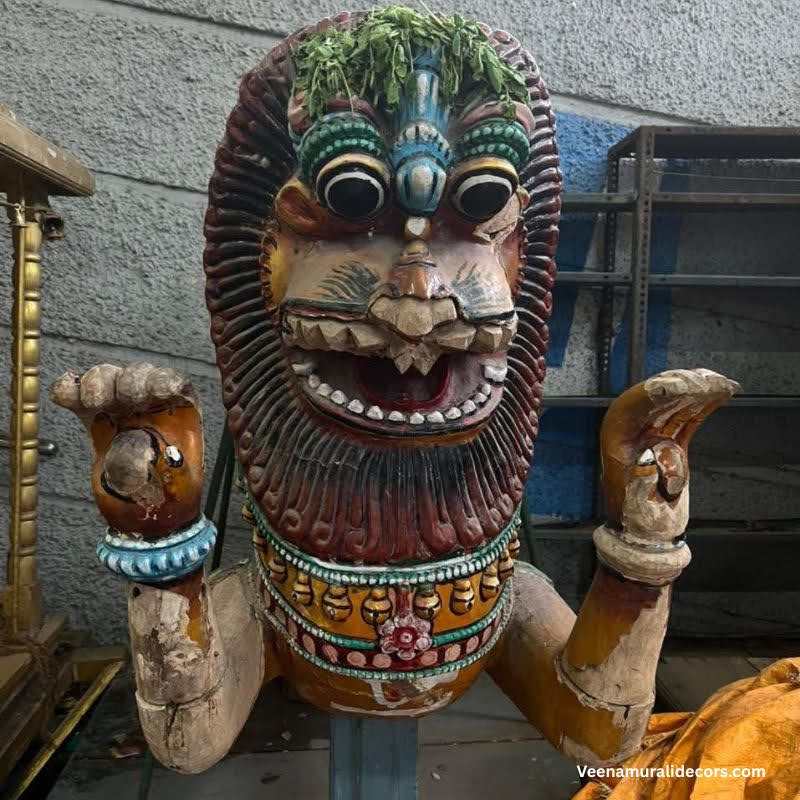
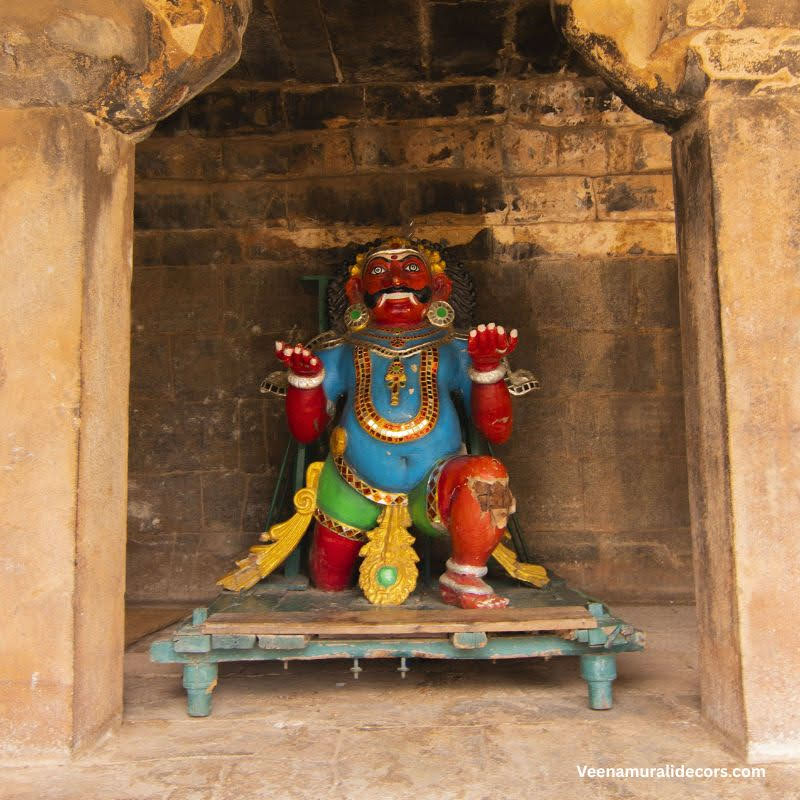
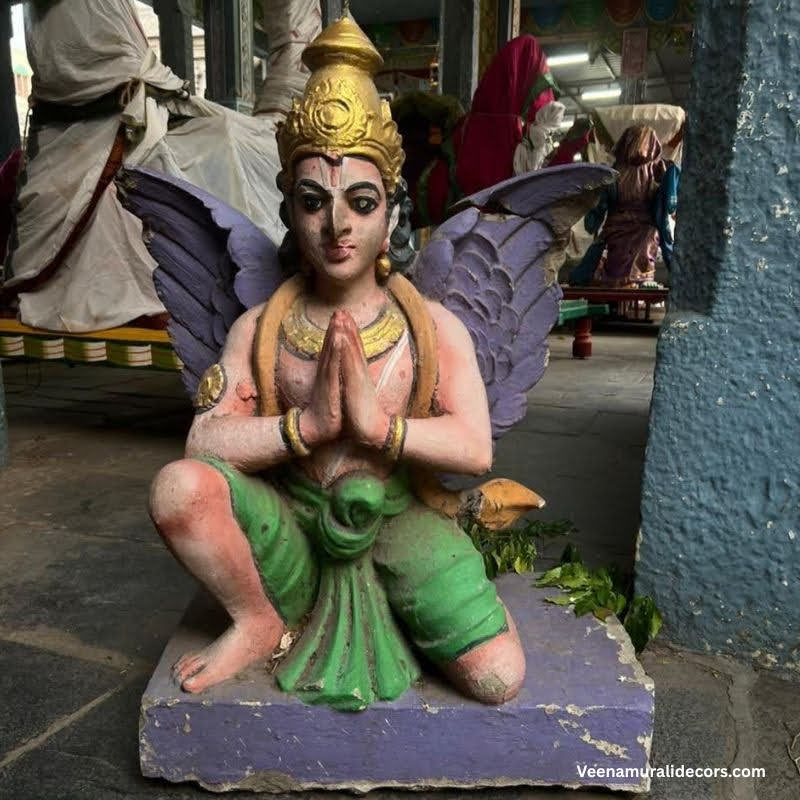
When Architecture Moves: The Grandeur of Temple Chariots (Rathotsava)
While vahanas are often depicted in temple sculptures and paintings, their most magnificent and awe inspiring expression comes alive during Rathotsava the spectacular chariot festival.
Imagine colossal, intricately carved wooden structures, towering like temples themselves, being pulled through bustling streets by hundreds, or even thousands, of devotees. These are the rathas (or teerr in Tamil), the massive temple chariots that transport the deities in grand processions.
Originating perhaps during the Pallava period in ancient Tamil Nadu, these "mobile shrines" are true architectural marvels. A traditional terr is built in imitation of the temple's vimana (tower), featuring:
- A multi-tiered wooden base crafted from strong, carvable wood such as ilupai (Bassia sapotaceae).
- Panels intricately carved with high-relief mythological scenes, including episodes from Krishna's life, often adorning the corners.
- A square pavilion at the top with four doorways, decorated with guardian figures (dvarapalas) and rampant lions.
- A towering cloth cone representing the vimana, topped with a ceremonial parasol.
- At the front, painted wooden horses mounted on springs create the illusion of leading the chariot, "driven" by richly adorned figures such as Brahma or Ravana.
These colossal structures, sometimes obscured by layers of oil and dust from years of ritual anointing, are moved by sheer human power. Devotees grasp thick ropes and, in joyous unison, pull the massive chariot forward, creating an electrifying atmosphere of devotion and spectacle.
A Festival of Forms: Vahanas in Ritual Processions
Here is your passage with only grammatical and stylistic corrections, without adding any new information:
A Festival of Forms: Vahanas in Ritual Processions
During Rathotsava, deities are often paraded each day on different vahanas, rather than only on their usual ones. This highlights their multifaceted powers and the diverse ways in which they interact with the cosmic and human realms. These ritual vahanas, crafted from metal or wood, can include:
The mighty Elephant (gaja)
The steadfast Bull (vrsabha)
The swift Horse (asva)
The cosmic Serpent (sesa)
The pure Swan (hamsa)
A regal Palanquin (Sibika)
Luminous Sun and Moon discs (ravi-mandala, candra-prabha)
The powerful Lion (simha)
Specific figures such as Hanuman and Garuda, or elaborate wooden rathas
These festivals blur the lines between art, devotion, and public spectacle, offering a tangible connection to the divine.
The Enduring Dance of the Divine
In conclusion, the vahana is far more than a simple mount. It serves as a symbolic embodiment of the deity, an allegorical expression of their attributes, and an integral component of Hindu worship. Whether subtly depicted in stone carvings or majestically elevated on towering chariots during vibrant festivals, vahanas animate the space between divine form and cosmic function. They enable devotees to witness, participate in, and contemplate the eternal dance of the gods as it unfolds through the material world.




Total Views : 289
